
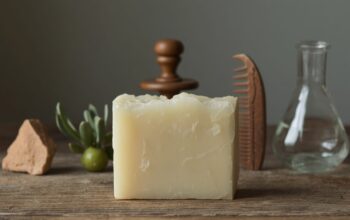
4,800 years, same principle
The Babylonians used ash and oil. The Gauls used ash and tallow. The Vikings used ash and tallow. Aleppo used […]
4,800 years, same principle Read Post »
The Babylonians used ash and oil. The Gauls used ash and tallow. The Vikings used ash and tallow. Aleppo used […]
4,800 years, same principle Read Post »
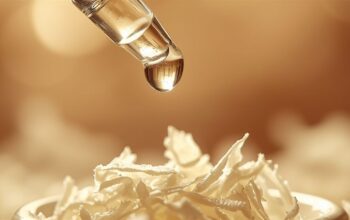
Remember al-Razi. The Persian scholar who, in the year 925, described how glycerin is released from olive oil during the
Glycerin, and what they took Read Post »
The war rationed fat away from soap. The synthetic substitute took over the market in seven years. In 1913 the
The war that birthed detergent Read Post »
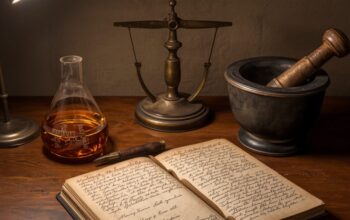
Humans had been making soap for 4,000 years. In 1816 we finally knew what the reaction was. In 1791 the
When chemistry caught up with the craft Read Post »
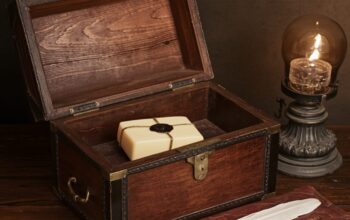
In 1712, Queen Anne introduced a soap tax in England. It tripled the price of soap. Soap became a luxury
A 141-year soap tax Read Post »

In 1347 the plague hit Europe. Thirty to fifty percent of the population died. Doctors needed explanations, and they gave
The plague closed the bathhouses Read Post »
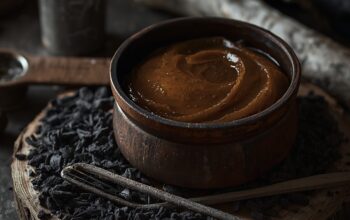
In Old Norse, Saturday was called laugardagr. Laug means “bath” or “warm water.” Dagr means day. So Saturday literally means
Saturday means washing day Read Post »
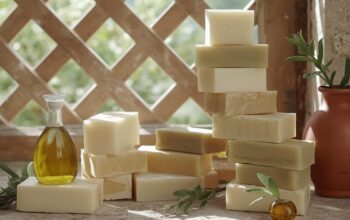
Aleppo, Castile, Marseille, Nablus — the Mediterranean turned soap into a regional art. While Northern Europe washed on Saturdays, the
The Mediterranean exploded in soap Read Post »
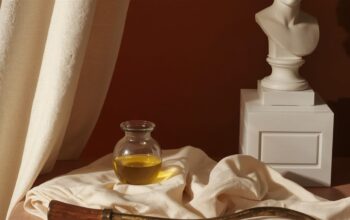
The Romans had a high bathing culture. They just didn’t have soap. It’s one of history’s funny points. The Romans,
The Romans made no soap Read Post »
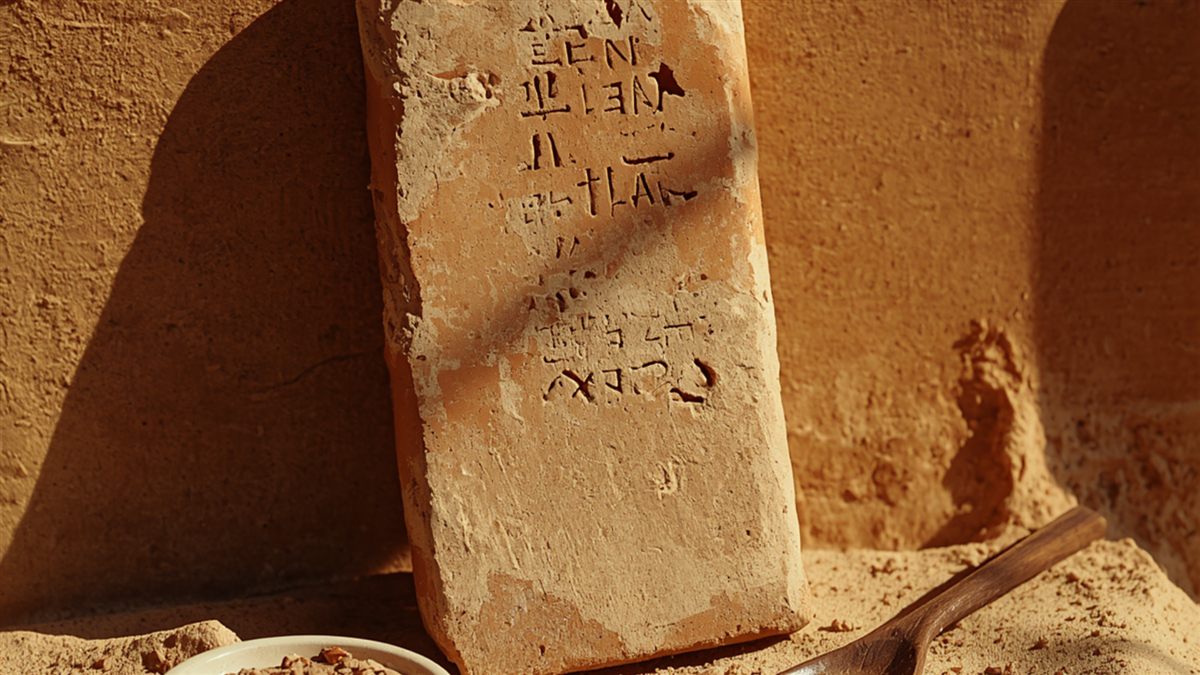
The oldest written soap recipe was scratched into clay 2,800 years before Christ. 2,800 years before Christ. Between the Tigris
The first chemical experiment Read Post »